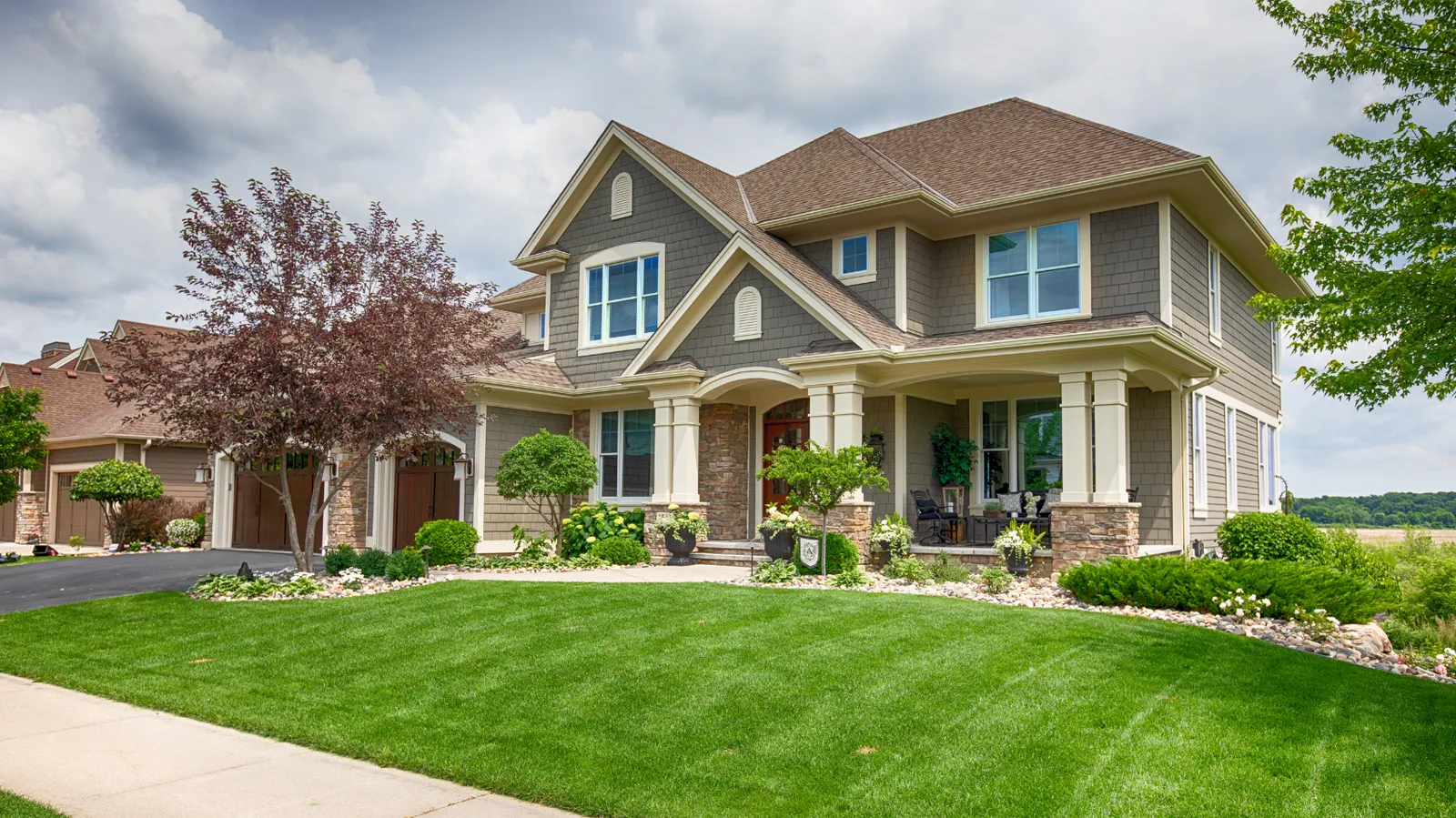
Roof Replacement in Olathe, KS
A roof replacement in Olathe means a full tear-off and a new system, sized to your home. A local roofer scopes the whole job in writing before the first shingle comes off.
- Scope and dollars in writing, then work
- Hail-claim paperwork put in plain English
- One roofer handling the whole job
Call (913) 210-3979
What a complete roof replacement includes in Olathe
A roof replacement in Olathe, KS is more than a fresh field of shingles. A full tear-off exposes the deck, so the parts that decide whether a roof lasts, sound decking, a self-sealing barrier at the eaves, new flashing, and a balanced attic, all get put right and priced up front rather than buried under a new surface.
A roofer walks the roof and the attic, then writes the full scope on paper before any number is named. The honest first question is whether the roof has earned a replacement at all, which a documented inspection settles, and the cost guide breaks the ranges down by material.
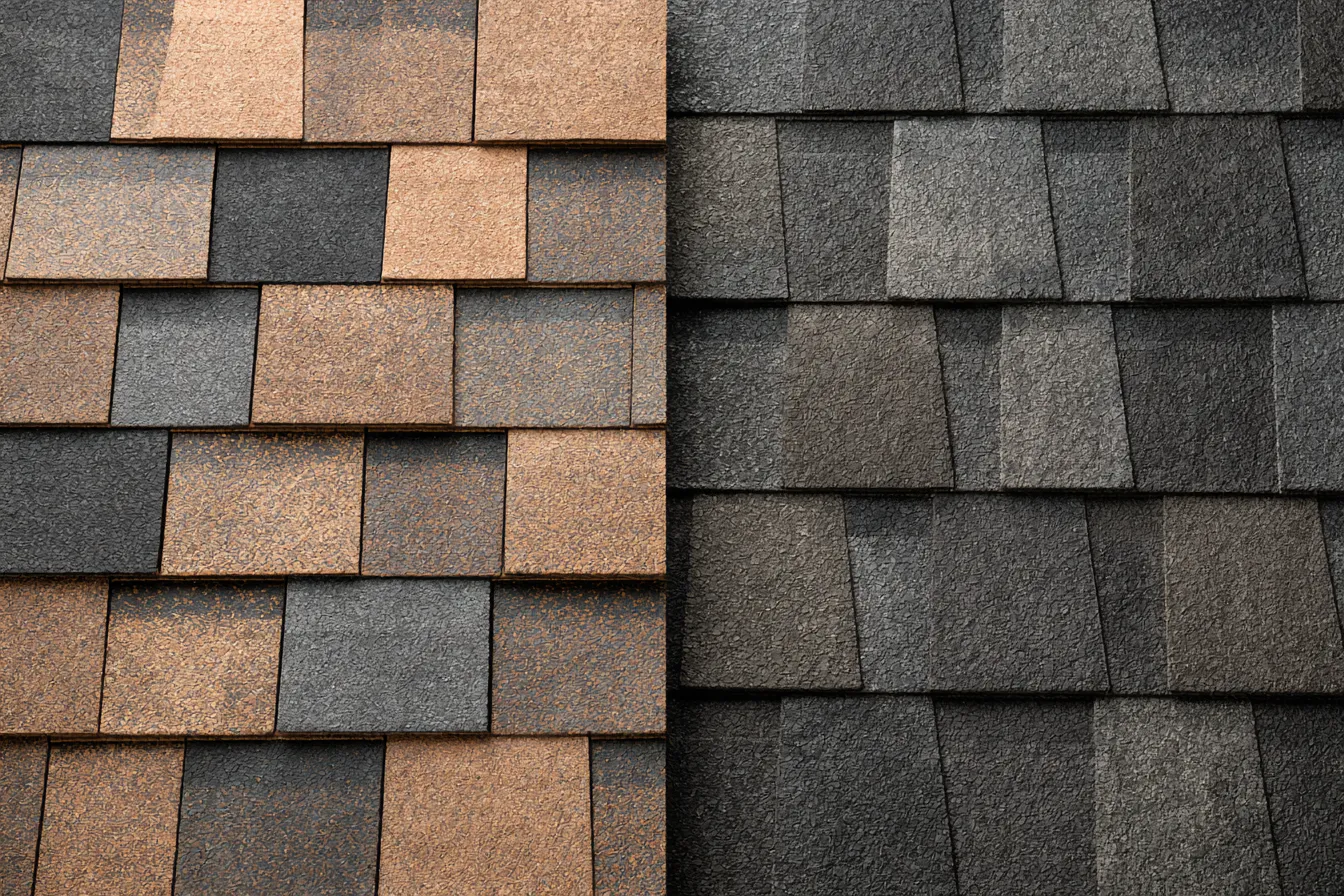
What an Olathe re-roof estimate spells out, line by line
The five things a complete estimate puts on paper before the old roof comes off, so the details that carry an Olathe roof are priced up front, not assumed.
- 01The self-sealing barrier at the eaves
- A local roofer runs a self-sealing membrane along the lower roof edge and into the valleys, the layer that keeps backed-up water from getting under the shingles and into the ceiling. How far up it runs is set by Olathe's adopted code, and it belongs on the scope, not left to chance.
- 02A balanced attic, vented intake to exhaust
- A roofer checks the intake and exhaust and balances them so the attic stays cool and dry, the deck is not baked from below in summer, and moisture does not build under the roof. Builder venting is often short on intake, so the ventilation work is priced with the roof, not sold as an add-on later.
- 03The bare deck, read once the old roof is off
- After tear-off a roofer grades the exposed plywood one sheet at a time, and a board darkened by an old leak or gone spongy from years of trapped moisture gets shown to you and priced right there on the open deck. Decking you approve in the open is never a charge that turns up after the roof is closed.
- 04Flashing and valleys, re-set new
- Every piece of metal where the roof meets a wall, chimney, or valley comes off with the old covering and goes back new, sized to this house, because a joint that expands and contracts with the weather is exactly where water works in. Flashing reused from the last roof is a common place a fresh leak begins.
- 05The Olathe permit and the code items
- On the estimate too: the city permit and inspection, plus the code items an Olathe inspector checks, the eave and edge details, the drip edge, and proper deck nailing. Kansas registers its roofers with the state Attorney General rather than licensing them, so a roofer pulls the permit in your name and carries that registration.
Not sure a full re-roof is the call yet? Have the roof read first, and the shingle options page weighs which covering pays off here on a roof that takes both Olathe seasons, summer hail and a hard winter.
The stages of an Olathe re-roof, start to finish
Four stages, each signed off before the next begins, so nothing that protects the roof gets skipped on the way to shingles.
The on-roof measure, and a look in the attic
A roofer starts on the roof, walks and measures every slope, and reads the pitch, then heads into the attic to check the insulation and venting that decide how well the roof breathes. What comes back is a dated written plan with the materials, the eave and flashing details, and the working days marked, so the whole scope is in front of you before anyone starts.
Tear-off, and the deck graded in the open
The old roof comes off down to bare wood, and the deck is photographed and graded in the open with nothing left covering it. A sheet gone soft from an old leak or years of trapped moisture is caught, shown to you, and priced before the new roof starts, so decking work follows the plan you already signed rather than landing as a later bill.
Dry-in, the eave barrier, then the roof to spec
Dry-in is the waterproof layer that goes on before the shingles: a synthetic underlayment goes down, and a self-sealing membrane runs along the eaves and valleys before the first shingle, set to the depth Olathe's code calls for. New flashing is set at the walls and valleys, the attic venting is finished, and the shingle you chose lands last, installed to the manufacturer spec so it earns the life it is rated for.
Final walk, magnet sweep, and one folder
A magnet is run across the yard and beds to lift stray nails, the finished roof gets a slope-by-slope walk against the plan, and the workmanship terms, the manufacturer warranty, and the dated install photos all go into one folder that stays with the house. That record backs a future hail or wind claim, or a resale years out.
When an Olathe roof is past a repair
A few of these together usually mean the whole roof is done, not one slope a patch could still carry.
- Repeated leaks near the eaves or in the valleys that keep coming back after patching, a sign the roof's edge details are spent
- After a Johnson County hailstorm, soft dimples and cracked shingle mats showing on several slopes at once, not just one dinged corner
- Granules piling up in the gutters while bare, shiny asphalt shows over much of the field
- Shingles curled, cupped, and split with age, brittle enough that walking on them shakes granules loose
- A carrier already approving a full replacement on a hail or wind claim rather than a repair
- Twenty years or more on an original covering, never once stripped, sitting over older decking
Caught between a patch and a full re-roof? A slope-by-slope look sorts it, and when a storm is the cause, the insurance claims guide covers dating hail or wind damage for a claim.
What moves the number on an Olathe re-roof
A roof is measured in squares, each one 100 square feet, and the average Olathe home runs about 24 of them.
Putting architectural asphalt back runs roughly $460 to $770 a square; a Class 4 impact shingle, rated to take Johnson County hail, runs about $570 to $880; a designer profile $620 to $1,080; and standing-seam metal $930 to $1,650. Tear-off and any decking that has to be swapped once the roof is open are added on top. Treat these as planning ranges for an Olathe roof, not a quote, since the real figure lands only after a roofer measures the roof and checks the attic.
See the full cost guide- Measured in squares of 100 square feet, a typical Olathe roof about 24 of them, larger homes well beyond
- The details are real money: the eave barrier, balanced ventilation, and new flashing are line items, not freebies
- Architectural asphalt is the base at roughly $460 to $770 a square, with impact, designer, and metal stepping up from there
- Tear-off and any rotted or water-damaged decking are shown on the open deck and signed off before the new roof goes on
How the re-roof changes across Olathe homes
Olathe does not have one typical roof, so a re-roof means something different from an older core home to a newer south-side build. A local roofer scopes each to the house in front of them, not a town average.
- 01The older core home, a full strip to the deck
- The oldest homes near the core carry aged decking and attics that were never vented to a modern standard, so a re-roof here is a full strip that puts the decking, eave barrier, and ventilation right.
- 02The established mid-era home, at end of life
- The established homes built out through the 1970s and 1980s are reaching end of life together, their old eave flashing and tired valleys the exact spots a leak keeps finding.
- 03The newer south-side build, done right the second time
- On the newer builds the real question is whether the attic was vented and the eave barrier run far enough, so a re-roof is often about getting the edge details and ventilation right the second time.
Unsure which of these matches your roof? Have it read before a number is named, and a targeted repair is weighed against a full replacement first.
Common re-roof questions from Olathe homeowners
The things a roofer walks through before a replacement day lands on your Olathe schedule.
Q1What does a full tear-off include that going over the old roof skips?
Q2What is an ice-and-water barrier, and do I really need one in Olathe?
Q3Will my insurance help pay for an Olathe roof replacement?
Q4Does an Olathe re-roof need a permit, and who pulls it?
Q5Should I match the same shingle or step up to an impact-rated one?
Q6How long does a full re-roof take on an Olathe home?
Get your Olathe re-roof measured and scoped
No two Olathe re-roofs price the same, and none is done right without reading the deck and the attic first. Send Olathe Roofing Co your address, and a local roofer measures every slope, reads the attic, and writes one dated scope at no cost.