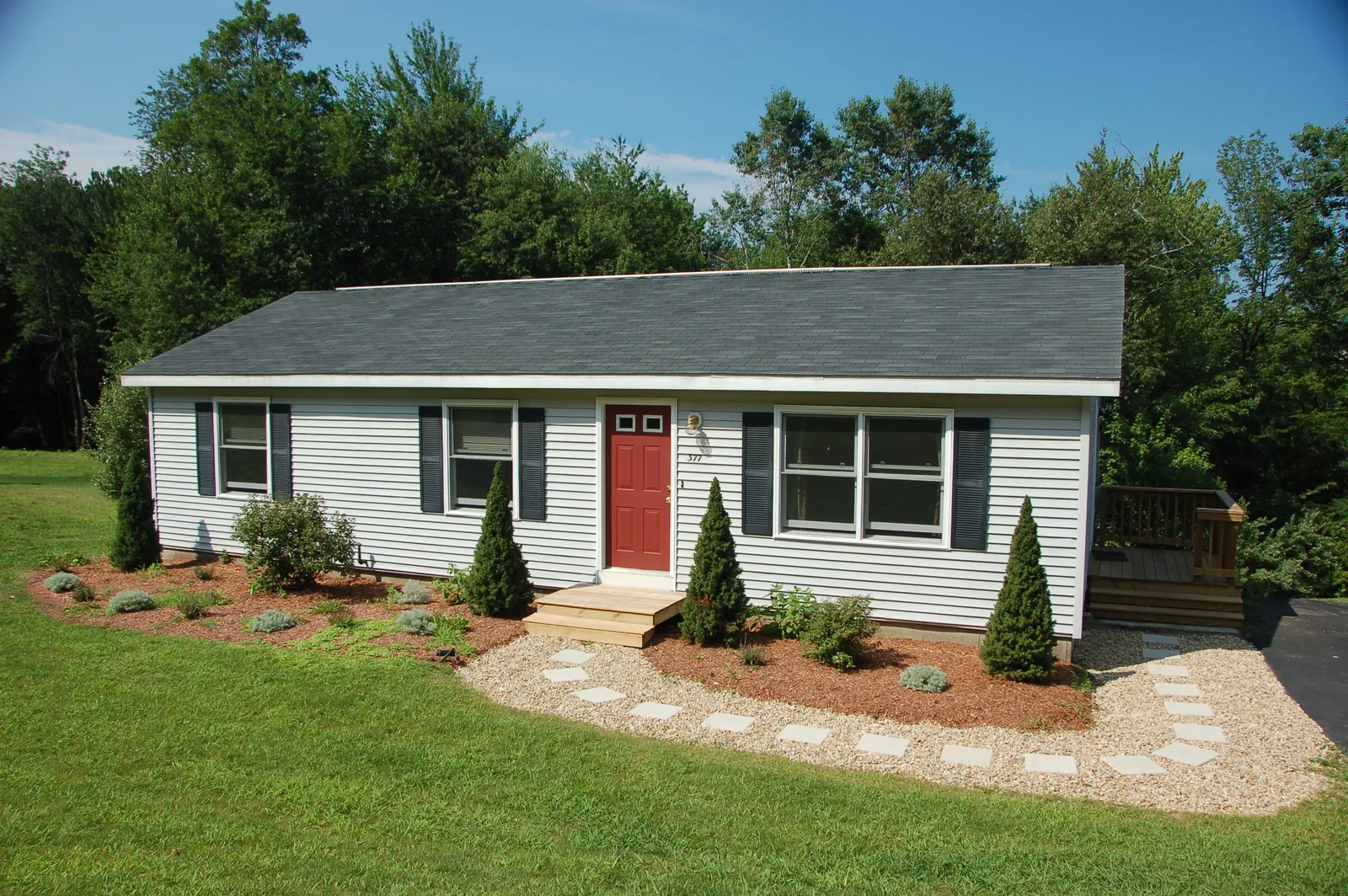
Roof Leak Repair in Olathe, KS
A ceiling stain rarely sits under the hole that caused it, since water travels along the deck before it drips. A local roofer traces the leak to its true source and seals it there.
- Water traced to where it really gets in
- A fast look when a ceiling starts to stain
- The entry point on camera, the fix in writing
Call (913) 210-3979
Roof leak repair that finds the true source
Roof leak repair in Olathe, KS turns on one question: where is the water actually getting in? Most often the answer is a worn flashing joint, a split vent boot, or a tired valley, and after a hard rain it can be a lifted shingle a gust opened up.
A local roofer follows the water to its true source, seals it, and dates the photo. Caught in time, most of these stay one roof repair plus any attic-side fix rather than a full re-roof.
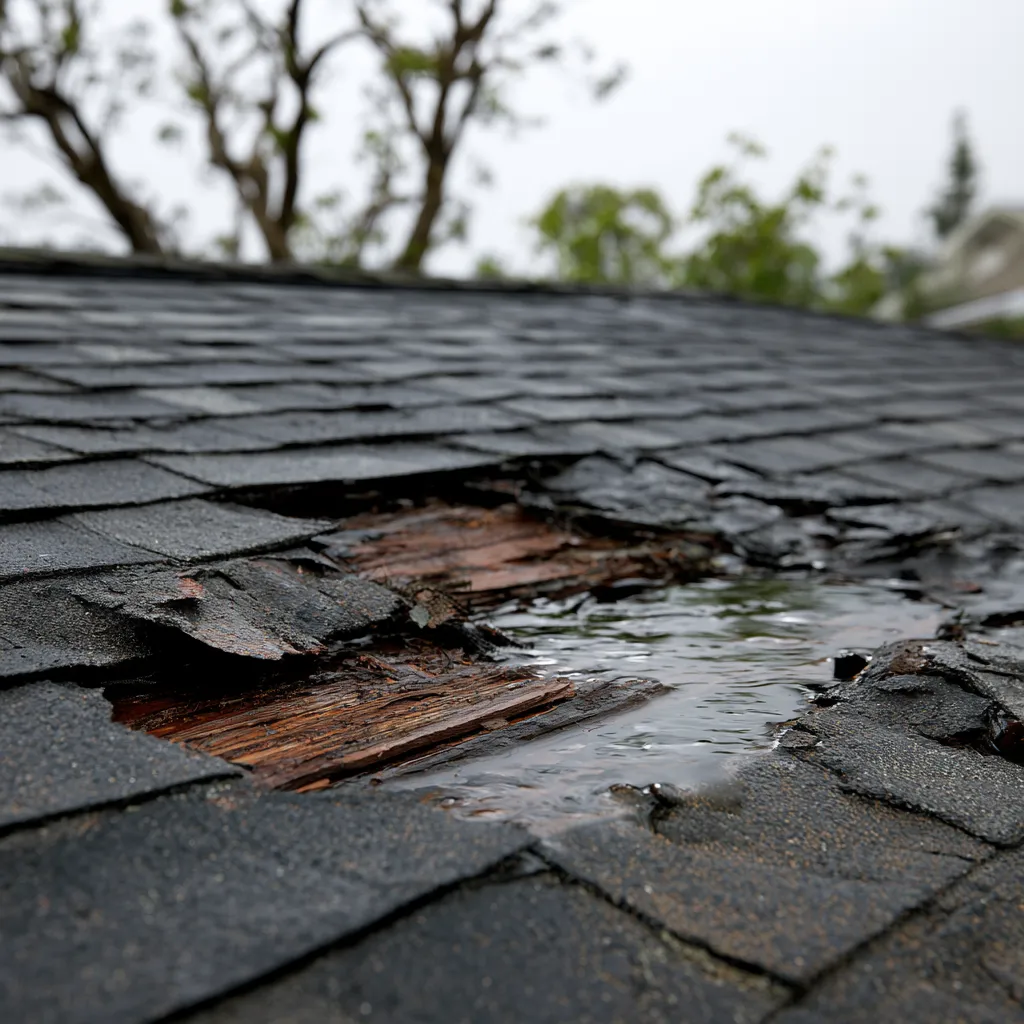
The places an Olathe roof leak actually begins
What a roofer checks first when a ceiling stain shows up, in any season.
- 01Flashing at a wall, chimney, or valley
- The metal tying the roof into a sidewall, a chimney, or a valley is the first suspect year-round, because these joints give out long before the open shingles do, and years of weather only work them looser. A roofer reseats or replaces the metal rather than caulking over the gap.
- 02A cracked vent boot or worn seal
- The rubber collar on a plumbing stack turns brittle as it swells and shrinks with the weather, then splits and sends water straight down the pipe, all while the shingles beside it still look almost new and give nothing away from the ground.
- 03An ice dam at the eaves
- After a snow, attic heat melts the upper roof, the water runs to the cold eave and refreezes into a ridge, and more meltwater pools behind it and backs up under the shingles into the attic and ceiling. A roofer reads the eave and the attic first, because the leak is coming from ice, not a hole.
- 04A clogged or failing valley
- A valley carries the most water on a roof, so one packed with debris or lined with worn metal is a common place a leak begins. A roofer clears it, checks the metal beneath, and re-lines it where the old lining has given out, rather than sealing over the debris.
Not sure which is yours? A dated inspection pins the true entry point and gives you the photos, so the spot you pay to seal is one you can actually point to.
Early hints a roof leak has started
The signals worth catching while the fix is still small.
- A brown water ring on a ceiling a day or two after a hard rain
- Rust or a spreading stain around a chimney, skylight, or a wall flashing
- A split or curled plumbing-vent collar you can spot from the ground
- A run of shingle tabs lifted or missing after a windy storm
- Damp, matted attic insulation or a musty smell gathering near the eaves
Chasing any of these while it is small costs a fraction of what a soaked deck, wet insulation, and a stained ceiling do later. The materials guide explains the layers and the eave membrane that sit under your shingles.
What sealing a roof leak costs
A boot resealed the same afternoon is the cheap end; reworking flashing, laying a self-sealing barrier at the eave, or rebuilding a valley climbs from there.
When water has quietly worked a board soft, whether from a slow flashing leak or a valley that backed up, that board has to come out and be replaced, which is the plain argument for catching a roof leak young.
A local roofer puts a number to it only once the source is found, and the cost guide lays out replacement ranges if the roof turns out to be done.
See the cost breakdown- A boot or collar closed on the first visit is the lowest-cost outcome
- Reworked flashing, an eave membrane, or a rebuilt valley pushes it up
- A board gone soft under a long-running leak adds a decking-replacement line
- No figure is named until the real entry point is on camera
Seal the source, then fix the root cause
Sealing the leak stops the water, but the lasting fix depends on the cause. A one-off failure, a split boot or a lifted flashing leg, is done once resealed. A leak that keeps returning has a root cause: a clogging valley, an under-vented attic, or an eave detail that was never right.
A local roofer shows you which one yours is, with photos and in writing, so you fix what would only leak again.
- 01The roof side, sealed today
- A roofer seals the actual source now, the flashing, the boot, or the exposed eave, so the water stops and the ceiling can dry.
- 02The root cause, so it stays fixed
- When the real driver is an under-vented attic or an eave that keeps backing up, a roofer flags the work that stops the leak from returning.
Not sure whether yours is one sealed joint or a root cause? A roofer gives you that answer in writing before you commit to a seal or a re-roof. The gutters and eave-defense guide covers moving water clear of the roof edge.
The leak questions Olathe owners ask
Quick plain answers when water shows up inside.
Q1There is a stain on the ceiling but no rain. Where is it from?
Q2Water is dripping from a light fixture. Is that the roof?
Q3Can you just seal the leak, or do I need attic work too?
Q4The leak started after a hailstorm. Could this be a claim?
Q5Can I just tarp or caulk the leak myself?
Q6How fast can a small leak turn into a real problem?
Trace the leak before it soaks in
Send Olathe Roofing Co what you are seeing, and a local roofer traces the water back to its real source, flashing, boot, or valley, and shows you the photo. You get one clear figure in writing, whether the answer is a targeted seal or attic-side work.